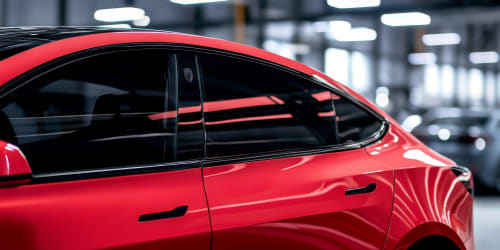
 Automotive window tinting is a popular choice among vehicle owners seeking to enhance privacy, reduce glare, and protect their car’s interior from UV damage. However, understanding the safety and legal aspects of window tint is crucial to ensure compliance and maintain the vehicle’s functionality. This article provides a comprehensive overview of automotive window tint safety, including legal considerations, safety impacts, common misconceptions, and tips on choosing and maintaining the right tint.
Introduction to Automotive Window Tint Safety
Automotive window tint, also known as window film, is a thin layer applied to the glass of a vehicle to reduce heat, provide privacy, and protect the interior from UV rays. While tinting offers many benefits, it is essential to consider the safety and legal implications to ensure it is applied correctly. This article aims to guide vehicle owners through the key aspects of window tint safety, helping them make informed decisions.Legal Considerations for Window Tinting
Federal and State Regulations
The application of window tint is governed by both federal and state laws. Federal regulations, primarily outlined in the Uniform Vehicle Code, set minimum standards for window tint. However, individual states have the authority to impose stricter rules.- Federal Limits: The federal standard allows for a maximum of 70% light transmittance (VLT) on front side windows, 50% on rear windows, and 20% on rear side windows.
- State Variations: State laws may impose more stringent limits, and some states have additional restrictions on front windshield tinting.
Health and Safety Impacts of Window Tint
- UV Protection: Window tint blocks up to 99% of harmful UV rays, protecting the vehicle’s interior and occupants from sun damage.
- Temperature Control: Tint reduces the amount of heat entering the vehicle, leading to more comfortable temperature regulation inside the car.
- Privacy: Tint offers privacy from prying eyes, reducing the risk of theft and voyeurism.
Common Misconceptions About Window Tint
Addressing Myths
- Myth: Darker Tint is Always Better: Contrary to popular belief, very dark tint can reduce visibility and is often illegal.
- Myth: Tint is Only for Aesthetics: While tint does enhance the look of a vehicle, its primary benefits include safety, UV protection, and temperature control.
How to Choose the Right Window Tint
Factors to Consider
- Legal Compliance: Ensure the tint meets local legal requirements.
- Quality: Choose high-quality tint from reputable suppliers to avoid visibility issues and ensure durability.
- Vehicle Type: Different vehicles may require different tint types for optimal performance.
Comparative Analysis of Tint Types
- Ceramic Tint: Offers superior heat reflection and UV protection.
- Carbon Tint: Provides excellent UV protection and a sleek appearance.
- Hybrid Tint: Combines the benefits of ceramic and carbon tint for enhanced performance.
Maintenance and Longevity of Window Tint
Cleaning Tips
- Regular Cleaning: Use a mild glass cleaner and a soft cloth to keep the tint clean and free of streaks.
- Avoid Abrasive Materials: Do not use abrasive pads or cleaners that can damage the tint.
Long-term Care Recommendations
- Avoid Heat: Park in shaded areas to prevent the tint from fading due to prolonged exposure to heat and UV rays.
- Professional Touch-ups: Consider periodic touch-ups to maintain the tint’s appearance and functionality.
Window Tint Safety FAQ
What are the legal limits for window tint in my state?
Window tint laws vary by state. It is important to check your local regulations to ensure compliance with the maximum allowable light transmittance (VLT) for each window area.
Are there health benefits to using window tint?
Yes, window tint can block up to 99% of harmful UV rays, protecting the vehicle’s interior and occupants from sun damage.
How can I determine if my window tint is safe?
Ensure that your window tint meets local legal requirements and provides adequate visibility. If in doubt, consult a professional installer.
What are the most common misconceptions about window tint?
Common myths include the belief that darker tint is always better and that tint is only for aesthetics. In reality, very dark tint can reduce visibility and may not meet legal standards.
How do I choose the right tint for my vehicle?
Consider legal compliance, quality, and the specific needs of your vehicle. High-quality, legally compliant tint from reputable suppliers is recommended.
What maintenance is required for window tint?
Regular cleaning with mild glass cleaners and avoiding abrasive materials will keep your tint looking good. Periodic professional touch-ups are also recommended to maintain appearance and functionality.