Understanding Paint Protection Film (PPF)
What is Paint Protection Film?
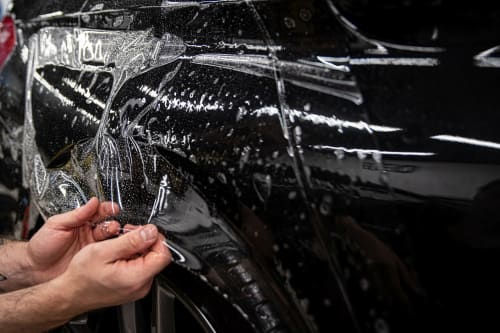
Paint Protection Film (PPF), sometimes referred to as clear bra, is a transparent urethane film applied to painted vehicle surfaces to help protect against road debris, rock chips, scratches, bug splatter, and other everyday damage caused by driving.
PPF has become increasingly popular among vehicle owners who want to preserve the appearance of their paint and maintain a cleaner, newer-looking finish over time. It is commonly installed on high-impact areas such as front bumpers, hoods, fenders, mirrors, rocker panels, and door edges.
Unlike waxes or sealants, PPF provides a physical protective layer between the vehicle’s paint and outside elements. Many modern paint protection films are also designed with self-healing properties that help reduce the appearance of light swirl marks and minor surface scratches when exposed to heat.
Professional installation quality plays a major role in the overall appearance and performance of PPF. Properly installed film can provide a cleaner finish, improved durability, and longer-lasting protection over time.
What Does Paint Protection Film Do?
Protection Against Rock Chips and Road Debris
One of the biggest reasons drivers choose PPF is protection against rock chips and debris encountered during everyday driving. Highway driving, gravel roads, and road construction can all contribute to paint damage over time, especially on front-facing surfaces.
Paint protection film helps absorb minor impacts before they reach the paint surface underneath.
UV Protection
PPF can also help reduce damage caused by long-term UV exposure. Constant sunlight may contribute to fading, oxidation, and discoloration over time, especially in warmer climates or vehicles frequently parked outdoors.
Many modern PPF products are designed to help preserve paint clarity and gloss by limiting UV-related damage.
Resistance to Everyday Wear
In addition to highway debris, paint protection film can help reduce visible wear from bug splatter, bird droppings, road salt, tree sap, minor scratches, and environmental contaminants.
While PPF is not indestructible, it can help minimize damage compared to exposed paint surfaces.
Self-Healing Properties
Many premium paint protection films include self-healing technology that allows light swirl marks and minor surface scratches to become less visible when exposed to heat or sunlight.
This helps the film maintain a smoother appearance over time.
Paint Protection Film Coverage Options
Partial Front Coverage
Partial front coverage is a popular entry-level option that protects some of the vehicle’s most vulnerable front-end areas. This package often includes:
- part of the hood
- front bumper
- partial fenders
- side mirrors
Drivers looking for basic protection against rock chips and highway debris often choose partial front coverage.
Full Front Coverage
Full front PPF extends protection across the entire hood, full front fenders, bumper, and mirrors for more comprehensive coverage.
This option is especially popular for:
- highway commuters
- newer vehicles
- luxury vehicles
- sports cars
- trucks and SUVs
Because the entire front end is covered, full front protection often provides a cleaner, more uniform appearance compared to partial coverage lines.
Full Vehicle Coverage
Full-body PPF offers the highest level of paint protection by covering nearly all painted exterior surfaces.
This option is commonly selected for:
- exotic vehicles
- luxury vehicles
- collector cars
- high-performance vehicles
- long-term ownership protection
Drivers who want maximum paint preservation often choose full vehicle coverage for long-term appearance protection and resale value support.
High-Impact Area Protection
Some drivers choose targeted PPF installation for specific areas prone to wear, including:
- door edges
- rocker panels
- rear wheel arches
- trunk ledges
- door cups
This approach allows drivers to add protection only where they expect the most contact or debris exposure.
Professional Paint Protection Film Installation
Proper installation is one of the most important factors in how paint protection film performs and looks over time.
Professional installation typically begins with:
- Thorough vehicle washing
- Paint decontamination
- Surface preparation
- Paint correction if needed
Once the paint surface is properly prepared, the film is carefully measured and applied using specialized installation techniques designed to reduce bubbles, trapped debris, edge lifting, and wrinkles.
After installation, the film requires time to cure and fully bond to the paint surface. During this curing period, slight haziness or moisture pockets may be temporarily visible as trapped moisture evaporates.
Because installation quality directly affects durability and appearance, many vehicle owners choose professional PPF installation services from experienced shops like Tint World.
Tint World locations also offer professionally installed XPEL paint protection film solutions designed to help protect against everyday road damage while maintaining the appearance of the vehicle.
How to Choose the Right Paint Protection Film
Consider Your Driving Habits
Drivers who spend significant time on highways or in areas with frequent road debris often benefit from larger PPF coverage packages.
Vehicles exposed to:
- gravel roads
- heavy commuting
- construction zones
- harsh weather
may experience more paint wear over time.
Think About Long-Term Ownership
Many drivers planning to keep their vehicle long-term choose more extensive coverage to help maintain paint condition and support long-term resale value.
Coverage vs Budget
PPF coverage can often be customized based on priorities and budget. Some drivers choose targeted protection for high-impact areas, while others prefer full front or full-body coverage for more comprehensive protection.
Film Quality Matters
Not all paint protection films perform the same. Higher-quality films may offer:
- better optical clarity
- self-healing properties
- stain resistance
- improved durability
- hydrophobic performance
Professional installers can help recommend the right film and coverage package based on the vehicle and driving needs.
PPF Maintenance and Longevity
Proper maintenance can help paint protection film maintain its appearance and performance for years.
PPF should generally be cleaned using pH-neutral soap, soft microfiber cloths, and non-abrasive cleaning materials
Harsh chemicals, abrasive brushes, and aggressive polishing compounds can damage the film surface or weaken edges over time.
Newly installed film should typically be allowed time to cure before washing or exposing the vehicle to aggressive cleaning methods.
The lifespan of PPF depends on factors such as film quality, installation quality, climate, driving conditions, maintenance habits, and UV exposure.
Professionally installed premium films can often maintain strong performance for many years when properly cared for.
Frequently Asked Questions
How much does paint protection film cost?
PPF pricing varies depending on factors such as vehicle size, coverage area, film type, and installation complexity. Partial front packages are generally more affordable, while full-body coverage requires more material and labor.
Can I do paint protection film myself?
DIY paint protection film kits are available, but proper installation is often more difficult than many people expect, especially around curves, edges, and complex body panels. For cleaner results and long-term durability, many vehicle owners choose professional installation services from experienced shops like Tint World.
Where can I get paint protection film near me?
Paint protection film is commonly available through professional detail shops, automotive restyling centers, and window tinting specialists that offer vehicle protection services. Professional installers can also help recommend the right coverage package based on the vehicle and driving habits.
Is paint protection film worth it?
Many drivers choose PPF because it helps protect painted surfaces from rock chips, road debris, and everyday wear while maintaining the appearance of the vehicle over time.
How do you maintain paint protection film?
PPF should generally be maintained using gentle washing methods, microfiber cloths, and pH-neutral cleaning products. Avoid abrasive brushes, harsh chemicals, and aggressive polishing techniques that could damage the film over time.