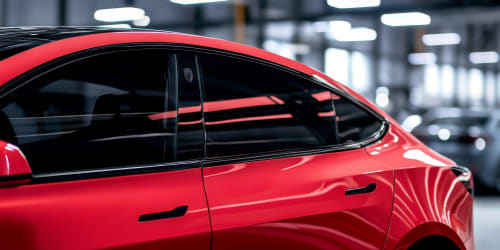
Introduction to Window Tinting
Window tinting has become one of the most popular upgrades for both vehicles and residential properties because it offers more than just a darker appearance. Modern window films are designed to improve comfort, reduce heat, block harmful UV rays, and help protect interiors from long-term sun exposure.
For vehicle owners, window tint can improve driving comfort by reducing glare and helping maintain cooler cabin temperatures during hot weather. For homes and businesses, window film can help improve energy efficiency by limiting heat transfer through windows and reducing strain on heating and cooling systems.
Many people also choose window tinting for added privacy and appearance. Different tint percentages and film technologies allow drivers and homeowners to customize the look and performance of their windows based on their goals and local regulations.
One common misconception is that darker tint automatically means better performance. In reality, modern ceramic and nano-ceramic films can provide strong heat rejection and UV protection even at lighter, legal tint percentages.
Another important factor is installation quality. Proper installation helps ensure smooth application, cleaner edges, long-term durability, reduced bubbling or peeling, and better overall appearance.
Professional installation services from experienced shops like Tint World can help drivers and property owners choose the right film based on privacy, heat reduction, UV protection, and local legal requirements.
Benefits of Window Tinting for Cars
Window tinting offers several practical benefits for drivers beyond appearance alone.
Reduced Heat and Improved Comfort
One of the biggest advantages of automotive window tint is heat reduction. Premium window films help filter infrared energy and solar heat before it enters the vehicle, helping maintain a cooler interior during hot weather.
This can make daily driving more comfortable, especially in warmer climates or vehicles with large glass areas.
UV Protection
Quality window tint can block up to 99% of harmful UV rays. Over time, UV exposure can contribute to:
- fading upholstery
- cracked dashboards
- discolored trim
- leather damage
Window tint helps preserve interior materials while also reducing direct UV exposure for passengers.
Reduced Glare
Glare from sunlight and headlights can create eye strain and reduce driving visibility. Window tint helps reduce glare during:
- bright daytime driving
- sunrise and sunset commutes
- nighttime driving with headlights
This can improve overall driving comfort and visibility.
Increased Privacy
Depending on the tint percentage selected, window tint can make it more difficult to see inside the vehicle from the outside while still maintaining visibility from inside the cabin.
Enhanced Appearance
Window tint can also give vehicles a cleaner and more refined appearance. Different film types and tint percentages allow drivers to customize the look of the vehicle while balancing style and functionality.
Energy Efficiency and Home Comfort
Residential and commercial window tinting can help improve indoor comfort and energy efficiency throughout the year.
Reduced Cooling Costs
During warmer months, window film helps reduce solar heat entering through windows, which may help lower indoor temperatures and reduce strain on air conditioning systems.
This can improve comfort while potentially lowering energy usage.
Improved Temperature Control
Window tint can help reduce hot spots and uneven temperatures caused by direct sunlight entering certain rooms throughout the day.
By reducing heat transfer through windows, interior spaces may feel more comfortable and consistent.
UV Protection for Interiors
Sunlight entering through untreated windows can contribute to fading and discoloration of:
- furniture
- flooring
- rugs
- curtains
- artwork
Window film helps reduce UV exposure to help preserve interior materials over time.
Reduced Glare Indoors
Residential window tint can also reduce glare on:
- televisions
- computer screens
- mobile devices
This can improve comfort in living rooms, offices, and entertainment areas.
Added Privacy
Depending on the film selected, residential and commercial window tint can also increase daytime privacy without completely blocking natural light.
UV Protection and Long-Term Interior Preservation
One of the most valuable long-term benefits of window tinting is protection against UV-related damage.
Constant exposure to sunlight may gradually damage both vehicle interiors and residential furnishings.
High-quality window films help reduce this exposure while maintaining visibility and natural light.
Over time, reducing UV exposure may help maintain the appearance and longevity of surfaces.
Window Tint Laws and Legal Considerations
Window tint laws vary by state and regulate how dark or reflective window film can be on different parts of a vehicle.
Most states establish legal limits for, windshield tint, front side windows, rear side windows, and rear windows.
These regulations are typically measured using Visible Light Transmission (VLT), which refers to how much visible light can pass through the glass and tint combined.
Lower VLT percentages create darker tint.
Some states also regulate reflective tint, colored tint, and windshield strips.
Before choosing a tint percentage, it’s important to check local regulations to avoid citations or failed inspections.
Professional installers can help recommend legal tint options based on the vehicle and local laws.
Common Myths and Misconceptions About Window Tinting
Myth: Darker Tint Always Performs Better
Darker tint does not automatically mean stronger heat rejection. Modern ceramic films can often provide excellent heat reduction even at lighter tint percentages.
Myth: Window Tint Is Only for Appearance
While window tint can improve the appearance of a vehicle or property, many people primarily choose it for heat reduction, UV protection, glare reduction, comfort, and privacy
Myth: Window Tint Makes It Impossible to See at Night
Properly selected tint percentages can still provide good visibility while reducing glare and improving comfort.
Professional installers can help drivers choose tint levels that balance visibility and privacy.
Myth: All Window Films Are the Same
Different window films vary significantly in heat rejection, UV protection, clarity, durability, and fade resistance.
Premium ceramic and nano-ceramic films typically offer stronger performance compared to standard dyed films.
Choosing the Right Window Tint
The best window tint depends on your heat reduction goals, desired privacy, local tint laws, appearance preferences, and budget.
Ceramic Window Tint
Ceramic tint is one of the most popular premium options because it provides strong heat rejection, UV protection, glare reduction, and signal-friendly performance.
Carbon Window Tint
Carbon tint offers a darker appearance and fade-resistant performance while still providing improved heat reduction compared to standard dyed films.
Tint Percentages
Different tint percentages affect both appearance and visibility.
For example:
- 50% tint offers a lighter appearance with some heat reduction
- 35% tint provides a balance of visibility and privacy
- 20% tint creates a darker appearance with increased privacy
Professional installers can help recommend the right combination of film type and tint percentage based on the driver’s goals and local regulations.
Maintenance and Longevity of Tinted Windows
Proper maintenance can help window tint maintain its appearance and performance for years.
Tinted windows should generally be cleaned using ammonia-free cleaners, soft microfiber cloths, and non-abrasive materials.
Harsh chemicals and abrasive cleaning tools can damage the film surface or weaken edges over time.
Newly installed tint should also be allowed time to cure fully before aggressive cleaning or rolling windows down frequently.
The lifespan of window tint may vary depending on film quality, climate, sun exposure, installation quality, and maintenance habits.
Professionally installed premium films often provide longer-lasting performance and appearance compared to lower-quality alternatives.
Frequently Asked Questions
What are the main benefits of window tinting?
Window tinting can provide heat reduction, UV protection, glare reduction, increased privacy, improved comfort, and interior preservation.
How does window tinting improve energy efficiency?
Window film helps reduce heat transfer through glass, which may help lower cooling demands and improve indoor temperature control.
Is window tinting legal in all states?
Window tint laws vary by state and regulate how dark or reflective tint can be on different windows.
What are the different types of window tint available?
Common window tint types include ceramic tint, carbon tint, dyed tint, and nano-ceramic film. Each offers different levels of heat rejection, UV protection, and durability.
How long does window tint last?
Window tint lifespan depends on factors such as film quality, installation quality, climate, and maintenance habits. Premium professionally installed films typically last longer than lower-quality alternatives.
Can tinting windows reduce interior heat?
Yes. Advanced window tint films help reduce heat buildup by filtering infrared energy and solar heat before it enters the vehicle or building.
What is the best tint level for cars?
The ideal tint percentage depends on the driver’s goals, local laws, and desired balance between privacy, visibility, and heat reduction.
How do I maintain tinted windows?
Tinted windows should generally be cleaned using ammonia-free cleaners, soft microfiber cloths, and non-abrasive materials to help preserve the film over time.