Introduction to Window Tinting for Energy Efficiency
Window tinting has become an increasingly popular way for homeowners and businesses to improve comfort and reduce heat inside their spaces. Modern window films are designed to help block solar heat, reduce glare, and filter harmful UV rays before they enter through the glass.
Large windows and direct sunlight can significantly increase indoor temperatures, especially during warmer months. This often causes cooling systems to work harder to maintain comfortable conditions. Window tinting helps reduce that heat transfer, which may help improve energy efficiency and create a more consistent indoor environment.
Many property owners also choose window film to help protect interior furnishings from fading caused by long-term UV exposure. Flooring, furniture, curtains, and upholstery can all experience discoloration over time when exposed to direct sunlight.
In addition to energy-related benefits, professionally installed window tint can improve daytime privacy and reduce glare on televisions, computer screens, and mobile devices without completely blocking natural light.
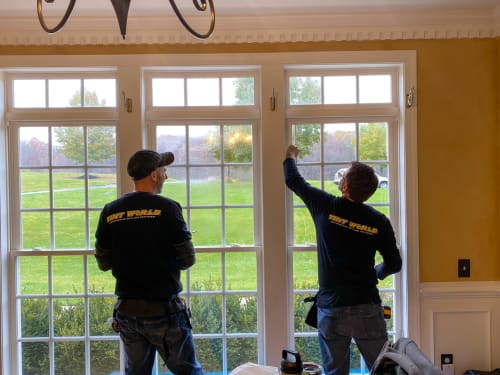
Shops like Tint World offer residential and commercial window tint solutions designed to improve comfort, reduce heat buildup, and support long-term energy efficiency goals.
Benefits of Window Tinting for Energy Efficiency
One of the biggest advantages of window tinting is reducing solar heat gain inside a building. Premium window films help filter infrared heat and sunlight before it enters through the glass, helping interior spaces stay cooler during hot weather.
Reducing heat buildup may also help lower the strain placed on air conditioning systems, potentially reducing overall cooling demands.
Window tinting also helps block harmful UV rays, which can contribute to fading and discoloration of interior surfaces.
Another major benefit is glare reduction. Direct sunlight can create uncomfortable glare on screens and reflective surfaces throughout homes and offices. Window film helps soften harsh sunlight while still allowing natural light into the space.
Depending on the film selected, window tint can also improve daytime privacy while maintaining a clean and modern appearance.
How Window Tinting Reduces Energy Costs
Windows are one of the primary sources of heat transfer inside buildings. During warmer months, untreated windows allow significant solar heat to enter interior spaces, increasing indoor temperatures and forcing HVAC systems to work harder.
Window tint helps reduce this heat transfer by reflecting or filtering portions of solar radiation before it enters through the glass.
Some advanced films are specifically designed to target infrared heat, which is one of the biggest contributors to indoor temperature buildup. By reducing infrared heat gain, window film can help maintain cooler and more comfortable interior temperatures throughout the day.
Reducing heat gain may also help improve temperature consistency between rooms, particularly in areas that receive strong direct sunlight.
Over time, reducing the workload on cooling systems may help support lower energy usage and improved HVAC efficiency.
Types of Window Films for Energy Savings
Several types of window films are commonly used for energy efficiency, depending on the goals of the property owner.
Ceramic window film is one of the most popular premium options because it provides strong heat rejection, UV protection, and glare reduction while maintaining visibility and natural light.
Reflective films are commonly used in commercial settings to reduce solar heat and increase daytime privacy. These films reflect portions of sunlight away from the building before heat enters the space.
Low-E window films are designed to help reduce heat transfer while still allowing visible light into the building. They are often selected for improving energy efficiency without dramatically changing the appearance of the glass.
Infrared-rejecting films focus specifically on reducing infrared heat energy and are often used in buildings with large windows or strong sun exposure.
Professional installers can help recommend the right film based on climate, building layout, sun exposure, privacy goals, and energy efficiency priorities.
Professional Installation and Important Considerations
Professional installation plays an important role in both the appearance and long-term performance of window film.
Before installation, the glass must be thoroughly cleaned and prepared to help ensure proper film adhesion. Even small amounts of dust or debris can affect the final appearance.
Choosing the right film is equally important. Different films offer different levels of heat rejection, glare reduction, UV protection, visible light transmission, and privacy.
Experienced installers can help identify the best solution based on the specific needs of the property.
After installation, proper maintenance helps preserve film performance over time. Most window films should be cleaned using ammonia-free products and soft microfiber cloths to avoid damaging the surface.
Real-World Examples of Energy-Efficient Window Tinting
Many homeowners install window tint to improve comfort in rooms that receive heavy afternoon sunlight. Sun-facing living rooms, offices, and upstairs bedrooms can often feel significantly warmer during peak daylight hours. Window film can help reduce that heat buildup and improve overall comfort throughout the day.
Commercial properties also frequently use window tint to reduce glare and improve indoor temperature consistency for employees and customers. Offices with large glass exteriors often experience noticeable heat reduction after installing energy-efficient window film.
Retail stores sometimes use window tint to help protect merchandise and displays from UV-related fading while also improving comfort inside the building.
Frequently Asked Questions
What are the main benefits of window tinting for energy efficiency?
Window tinting helps reduce heat gain, improve indoor comfort, minimize glare, block UV rays, and support more efficient cooling performance.
How much can window tinting reduce energy costs?
Energy savings vary depending on the building, climate, window exposure, and film selected. Buildings with significant sun exposure may experience more noticeable reductions in cooling demands.
What types of window films are best for energy savings?
Ceramic films, Low-E films, reflective films, and infrared-rejecting films are all commonly used for improving energy efficiency.
Can window tint reduce heat inside a building?
Yes. Window tint helps reduce solar heat and infrared energy before it enters through the glass, helping maintain cooler indoor temperatures.
Does window tint block UV rays?
Many modern window films are designed to block up to 99% of harmful UV rays, helping protect both occupants and interior materials from long-term sun exposure.
How do I choose the right window film for my property?
The best film depends on factors such as climate, window placement, privacy goals, and energy efficiency priorities. Professional installers can help recommend the right solution based on the building and environment.
Is professional installation recommended?
Professional installation helps improve film appearance, durability, and long-term performance while reducing the risk of bubbling, peeling, or uneven application.